
Kids Character Design: Why Colour Changes Everything

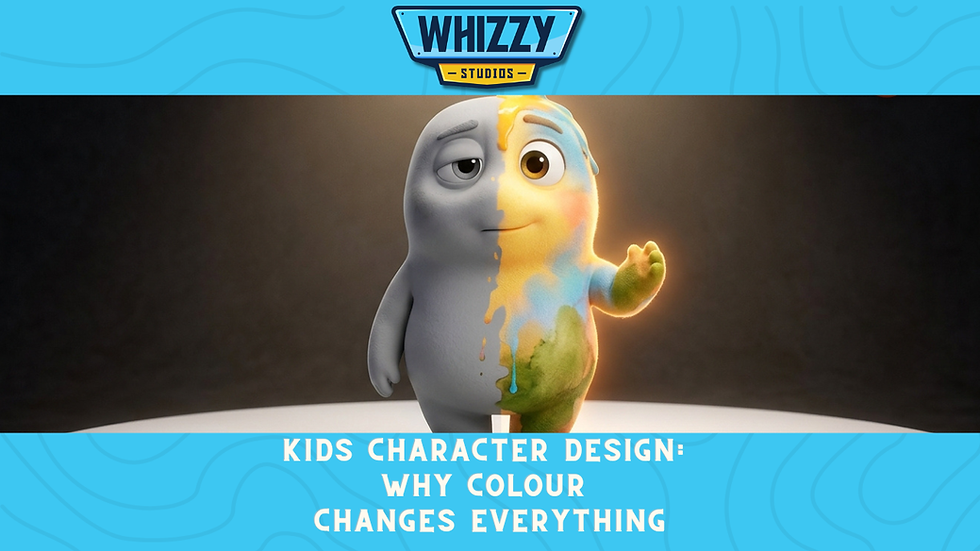
Ask any parent to describe why their child loves their favourite cartoon character and they will almost never mention the plot. They will mention how the character looks. The colour of their clothes, the brightness of their eyes, the warmth that comes through the screen even in a still image. Colour in kids character design is not decoration. It is communication - the fastest and most instinctive channel through which a child decides whether a character is safe, exciting, trustworthy, or worth caring about.
This is not a soft creative opinion. It is grounded in decades of research into how young children process visual information and what it triggers emotionally. Getting colour right does not just make a character look better. It makes them feel right in ways children cannot articulate but respond to immediately and consistently.
Colour Is an Emotional Language Children Speak Before Words

Children develop emotional responses to colour before they can name colours, and those responses are both culturally shaped and physiologically real. Warm colours - yellows, oranges, soft reds - create feelings of energy, excitement, and approachability. Cool colours - blues, greens, soft purples - create feelings of calm, safety, and trust. This is why characters designed to feel safe and warm are almost universally built on soft blues, warm yellows, and earthy greens rather than sharp contrasting neons.
The saturation and brightness of colours matter as much as the hues themselves. Highly saturated, bright colours are processed quickly by children's visual systems - which is why overstimulating kids content tends toward high-saturation palettes. Desaturated, warmer tones slow children down emotionally and create the kind of gentle visual environment that calm, trust-building animation depends on.
Understanding this palette logic is not about following rules mechanically. It is about understanding what you are communicating to a child before they have watched a single second of your animation. The character's colour palette is the first emotional message they receive, and it arrives faster than any story beat or line of dialogue can.
What the Most Beloved Kids Characters Get Right

The colour choices behind the most beloved kids characters are rarely accidental. Bluey's blue communicates calm, reliability, and trusted familiarity that children return to repeatedly. Peppa Pig's pink-and-red palette signals warmth and approachability. Elmo's red was a deliberate choice to create high recognition and energy in a show built around stimulating learning.
What these characters share is colour palette intentionality - every colour choice was made to serve the specific emotional experience the show wanted to create, and applied with complete consistency across every appearance of the character. The character on a lunchbox, on a poster, and in a full episode is always the same character because the colour values never drift.
In the projects we build at Whizzy Studios - from Bangi Wonderland to Chef Granny to Adventures in Character - the colour process begins with one question: what should a child feel when they first see this character? The answer determines the palette before any other design decision is made.
The Mistakes That Make Characters Feel Wrong

The most common colour mistake in kids character design is choosing colours for aesthetic appeal rather than emotional clarity. A character can be visually striking while being tonally confusing - a soft, gentle character in a high-contrast palette sends contradictory signals. The character feels slightly wrong, and slightly wrong is enough to prevent the deep attachment that makes kids content successful.
The second most common mistake is colour inconsistency across production. When a character's warm yellow shifts subtly between scenes or formats, children's visual systems detect the difference. That inconsistency creates a subliminal sense that the character is not quite the same entity they attached to before, undermining the familiarity-driven loyalty that kids content depends on.
Establishing a locked colour palette at the character design stage - with precise values documented for every production context - protects the emotional integrity of the character across every appearance they will ever make.
Colour also interacts with 3D character rigging and lighting in ways that 2D production does not face. A colour that looks warm and inviting in a design document can shift significantly under different 3D lighting conditions. Testing the palette across your actual rendering conditions is not optional - it is where the final character colour is really determined.
How Whizzy Studios Approaches Colour in Character Design
At Whizzy Studios, colour is a strategic decision before it is a creative one. Every character we design through our 3D character design and concept art process begins with an emotional brief - the feeling the character needs to create in the children watching them.
We document every colour decision with precise values that travel through the full production pipeline, from 3D animation to 2D animation to 2D book illustration. A character we design for your show will look like the same character in your thumbnail, in your merchandise, and in your tenth episode as they did in your first.
If you are building a character and you want to make sure the colour choices are working as hard as the design itself, we would love to be part of that conversation. Reach out to us and let us show you what intentional colour design looks like in practice.
Colour is also one of the qualities that parents respond to most viscerally in kids animation, even without being able to articulate why. Parents who describe a show as feeling cheap or off are often responding to colour choices that feel arbitrary or inconsistent. Parents who describe a show as feeling warm, gentle, or high quality are almost always responding to a colour palette designed with real intention. In a market where parent approval determines whether a show earns its place in the household, colour is not a soft creative choice. It is a strategic one that earns or loses trust at first sight.


Comments