
The Biggest Mistakes Clients Make When Hiring a 3D Animation Studio


So, you've decided to invest in 3D animation. Maybe it's a sleek product video. Maybe it's a character-driven explainer. Or perhaps you're building something bigger—like a full 3D cartoon series or kids TV show.
QUICK NOTES:
Mistake #1: Failing to Define Clear Project Goals and a Proper Brief
Mistake #3: Not Reviewing the Portfolio and Specialization Properly
Mistake #4: Overlooking Communication, Process, and Collaboration Style
Mistake #5: Skipping Contracts, Ownership Rights, and Revision Terms
Mistake #6: Having Unrealistic Timelines and Mismanaging the Revision Process
Whatever your project looks like, one thing is certain: choosing the right 3D animation studio will shape everything that follows. The quality of your visuals. The smoothness of the process. The final outcome. It all depends on who you partner with.
But here's the tricky part—how to hire a 3D animation studio isn't something most people do every day. And when you're not familiar with the process, it's easy to fall into traps that seem harmless at first but end up costing you time, money, and a whole lot of frustration.
Why Choosing the Right 3D Animation Studio Can Make or Break Your Project
Let's be honest. 3D animation services aren't cheap. Whether you're creating a 3D product design showcase, a stunning 3D animation music video, or detailed 3D character design, you're putting real budget on the table. And when real money is involved, the stakes are high.
The right 3D animation studio becomes an extension of your team. They get your vision. They communicate clearly. They deliver on time. They make you look good.
The wrong one? Well… that's a different story. Endless revision loops. Missed deadlines. Surprise costs. A final product that doesn't even come close to what you imagined. It happens more often than you'd think.
The Real Cost of Hiring the Wrong Partner
Here's what nobody tells you upfront: the real cost of hiring a 3D animation studio that's not the right fit goes way beyond money.
Yes, you might blow your budget. That's the obvious one. But think about the time you'll lose going back and forth on revisions that never seem to end. Think about the stress of chasing updates from a team that's gone quiet. Think about launching late—or worse, launching with a video that doesn't represent your brand the way it should.
When people ask about 3D animation cost, they usually focus on the price tag. But the real cost? It's measured in wasted opportunities, delayed campaigns, and the headache of starting over with a new studio when things fall apart.
That's exactly why getting this decision right from the start matters so much. When you choose the right 3D animation studio—one that aligns with your goals, communicates well, and has the expertise you need—everything else falls into place.
Whether you need 3D animation for a product launch, 3D character rigging for a game or film, a children's TV series, or even 2D animation and 2D book illustrations—this guide will help you avoid the common pitfalls and make smarter decisions.
And if you're looking for a team that truly gets it, you might want to explore the option to hire a dedicated artist who works exclusively on your vision.
Mistake #1: Failing to Define Clear Project Goals and a Proper Brief

Let's start with the mistake that causes more headaches than any other—jumping into a 3D animation project without a clear sense of what you actually want.
It sounds basic, right? But you'd be surprised how often clients reach out to a 3D animation studio with nothing more than a vague idea and a deadline. They assume the studio will somehow read their mind and deliver exactly what they're picturing.
Spoiler alert: it doesn't work that way.
Not Articulating the Purpose Behind the Animation
Here's the first question every 3D animation studio will ask you: What's this video for?
And "we need a cool animation" isn't an answer.
Are you trying to explain a complex product? Build brand awareness? Drive sales? Educate your audience? Launch a children's TV series? Promote a 3D animation music video?
The purpose behind your animation shapes everything—the style, the tone, the pacing, the length, even the 3D animation cost. Without a clear purpose, your studio is essentially shooting in the dark. And when that happens, you end up with a beautiful video that doesn't actually do what you needed it to do.
Before you even start hiring a 3D animation studio, ask yourself:
What problem is this animation solving?
What action do I want viewers to take after watching?
How does this fit into my bigger marketing or content strategy?
If you can't answer these questions clearly, you're not ready to start production yet. And that's okay. A good studio—like Whizzy Studios—will help you figure this out. But you need to come to the table with at least a rough sense of direction.
Providing Vague or Incomplete Creative Briefs
The creative brief for animation is your project's foundation. Think of it like a blueprint. Without it, your studio has no roadmap—and you'll both end up lost.
A vague brief looks something like this:
"We want a 3D video that shows our product. Make it modern and engaging. Budget is flexible."
That tells the studio almost nothing. What kind of product? What style—realistic or stylized? Who's the audience? What's the key message? Where will it be shown? What's the actual budget range?
When you skip these details, you're setting yourself up for endless revisions, miscommunication, and frustration on both sides.
A strong animation brief includes:
Project objectives and goals
Target audience details
Key messages you want to communicate
Preferred style and visual references
Timeline and key deadlines
Budget range
Deliverables and formats needed
If you're working on something like 3D character design or 3D product design, your brief should also include reference images, brand guidelines, and any existing assets the studio can work with.
The more clarity you provide upfront, the smoother your entire animation production process will be.
Skipping Essential Details Like Target Audience, Key Messages, and Desired Outcomes
Here's where things often go sideways.
You might have a general idea of what you want, but have you really thought about who you're making this for?
A 3D cartoon series aimed at kids requires a completely different approach than a sleek product demo for corporate executives. A kids TV show needs bright colors, fun characters, and simple storytelling. A B2B explainer needs clarity, professionalism, and a focus on solving business problems.
When clients skip over audience details, studios have to guess. And guessing leads to revisions. Lots of them.
Same goes for key messages. What's the one thing you want viewers to remember? If you can't define that clearly, your animation will try to say everything—and end up saying nothing.
Desired outcomes matter too. Do you want more website traffic? More leads? Better brand recall? The outcome you're chasing should influence every creative decision.
If you're unsure how to put all this together, a professional storyboard process can help you visualize the flow before animation even begins.
Assuming the Studio Will "Figure It Out" Without Direction
This is a big one.
Some clients hand over a one-paragraph brief and expect the studio to fill in all the gaps.
They assume that because they're paying for 3D animation services, the studio will magically know what they want.
But here's the truth: you are the expert on your business, your brand, and your audience. The studio is the expert on animation. The best results happen when both sides bring their expertise to the table.
If you leave everything up to the studio, you'll get their interpretation of your project—not yours. And when the first draft comes back looking nothing like what you imagined, you'll wonder what went wrong.
What went wrong is simple: you didn't give them enough to work with.
That's why it's worth considering the option to hire a dedicated artist if your project is complex or ongoing. A dedicated artist gets to know your brand deeply, so you spend less time explaining and more time creating.
The Ripple Effect of Unclear Expectations on Budget and Timeline
Now let's talk about what happens when all these issues pile up.
Unclear goals lead to vague briefs. Vague briefs lead to misaligned expectations. Misaligned expectations lead to revision after revision. And all those revisions? They cost time and money.
Suddenly, your 3D animation cost has doubled. Your timeline has stretched by weeks. And everyone's frustrated—you, the studio, your stakeholders.
The worst part? It was all avoidable.
When you invest time upfront to define clear project goals, write a detailed animation brief, and communicate your expectations properly, you save yourself from this mess. Your animation project timeline stays on track. Your budget stays intact. And the final result actually matches what you envisioned.
Whether you're creating 3D animation for marketing, 3D character rigging for a game, 2D animation for social media, or 2D book illustrations for a publishing project—the principle is the same.
Start with clarity. Everything else follows.
How to Get This Right
Before you reach out to any 3D animation studio, take the time to:
Define your project's purpose and goals
Identify your target audience in detail
Write down your key messages
Gather visual references and inspiration
Set a realistic budget range
Outline your timeline and key milestones
If you need help pulling this together, contact Whizzy Studios. A good studio will guide you through the briefing process and make sure nothing important gets missed.
Because when it comes to choosing the right 3D animation studio, the relationship starts with communication. And communication starts with a clear, well-thought-out brief.
Mistake #2: Choosing a Studio Based on Price Alone

We get it. Budget matters. Every business wants to stretch their dollars as far as possible.
But when it comes to hiring a 3D animation studio, going with the cheapest option almost always backfires. What looks like a bargain upfront often turns into the most expensive decision you'll ever make.
Why the Cheapest Quote Often Becomes the Most Expensive Decision
Here's what typically happens. You get three quotes for your 3D animation project. One studio is way cheaper than the others. You think, "Great! Same result, less money." So you sign on.
Fast forward a few weeks. The quality is off. The revisions drag on. Communication is a nightmare. Deadlines slip. And suddenly, you're either paying extra to fix things—or starting over with a new studio entirely.
That "affordable" 3D animation cost? It just doubled.
The truth is, quality 3D animation services require skilled artists, proper tools, and time. When a studio undercuts everyone else, they're cutting corners somewhere. Maybe it's rushed work. Maybe it's inexperienced animators. Maybe it's outsourcing your 3D character design or 3D product design to someone who doesn't understand your vision.
Either way, you pay the price—just not upfront.
Understanding What Quality 3D Animation Actually Costs
Let's be real. 3D animation isn't cheap—and it shouldn't be.
Creating a polished 3D animation involves concept development, scripting, storyboard creation, 3D character rigging, animation, rendering, sound design, and revisions. Each step requires expertise and time.
If you're building a 3D cartoon series, children's TV series, or even a 3D animation music video, the complexity goes up even more.
A realistic budget reflects all of this. When you see a quote that seems too good to be true, it probably is.
Red Flags of Suspiciously Low Pricing
Watch out for these warning signs when choosing a 3D animation studio:
No clear breakdown of costs
Vague timelines with no milestones
Portfolio that looks inconsistent or stolen
Promises that sound too perfect
No contract or ownership terms discussed
Zero questions about your animation brief or goals
A trustworthy studio—like Whizzy Studios—will ask detailed questions, explain their process, and provide transparent pricing. If a studio just throws a low number at you without understanding your project, that's a red flag.
The Hidden Costs Studios Don't Mention Upfront
Cheap studios often leave out important details:
Extra charges for revisions beyond one round
Fees for file formats or source files
Additional costs for voiceover, music, or sound
Rush fees when deadlines slip due to their delays
Re-work costs when quality doesn't meet expectations
These hidden costs add up fast. Before you sign anything, make sure you understand exactly what's included—and what's not.
Balancing Budget with Value and Expertise
Here's the real question: do you want to pay less or get more value?
The right 3D animation studio delivers work that actually achieves your goals. A stunning 3D product design that boosts conversions. A kids TV show that captivates young audiences. A 2D animation or 2D book illustration that brings your story to life.
That kind of result is worth paying for.
If budget is tight, consider the option to hire a dedicated artist instead of a full team. You get focused expertise without the overhead—and often better results than a cheap, stretched-thin studio.
At the end of the day, how to hire a 3D animation studio smartly isn't about finding the lowest price. It's about finding the best value for what you need.
Have questions about budgeting your project? Contact Whizzy Studios for a transparent conversation about what to look for in a 3D animation studio—and what your investment will actually get you.
Mistake #3: Not Reviewing the Portfolio and Specialization Properly

A stunning showreel can be deceiving. Just because a 3D animation studio has impressive visuals doesn't mean they're the right fit for your project.
Too many clients make the mistake of glancing at a portfolio and assuming, "They do great work, so they'll nail mine too." That's not how it works.
Only Skimming Demo Reels Instead of Watching Complete Projects
Here's what most people do: watch the first 10 seconds of a demo reel, see some flashy visuals, and think, "Perfect!"
But demo reels are highlight clips. They show the best moments, not the full picture.
Before hiring a 3D animation studio, dig deeper. Ask to see complete projects—not just snippets. Look at how stories flow from start to finish. Check if the pacing, transitions, and messaging hold up throughout.
A studio might create beautiful 3D character design frames but struggle with actual character movement. Or their 3D product design looks sharp, but the storytelling falls flat.
Full projects reveal the truth. Snippets hide the gaps.
Ignoring Whether the Studio's Style Matches Your Vision
Every 3D animation studio has a signature style. Some lean realistic. Others go stylized or cartoony. Some excel at sleek corporate visuals. Others shine with playful kids TV shows and 3D cartoon series.
The question is: does their style match what you need?
If you're creating a children's TV series, you need a studio that understands vibrant colors, engaging characters, and kid-friendly storytelling. If you're building a 3D animation music video, you need someone with a strong visual rhythm and creative flair.
Don't try to force a mismatch. Choosing the right 3D animation studio means finding one whose natural style aligns with your vision.
Assuming All 3D Animation Studios Offer the Same Expertise
This is a common trap.
Not all 3D animation services are created equal. A studio that's brilliant at product visualization might struggle with character animation. A team known for architectural walkthroughs may have no experience with 2D animation or 2D book illustrations.
3D animation is a broad field. Specializations matter.
The Difference Between Character Animation, Product Visualization, and Motion Graphics
Let's break it down quickly:
Character animation – Bringing characters to life with emotion and movement. Essential for 3D cartoon series, children's TV series, and storytelling projects. Often requires 3D character rigging expertise.
Product visualization – Showcasing products in realistic or stylized 3D. Perfect for 3D product design demos and e-commerce.
Architectural walkthroughs – Realistic renders of spaces and buildings. Different skill set from character work.
Motion graphics – Animated graphics, text, and shapes. Often used alongside 2D animation for explainer videos.
When reviewing a 3D animation portfolio, make sure their specialization matches your project type.
Verifying the Work Is Genuinely Theirs
Here's something people rarely check: is the portfolio actually their work?
Some studios display outsourced samples or team members' freelance projects as their own. Others showcase work done years ago by people who no longer work there.
Ask direct questions:
Who worked on this project?
Is this team still with you?
Was any of this outsourced?
A reputable studio—like Whizzy Studios—will be transparent about their work and team.
If you want guaranteed consistency, consider the option to hire a dedicated artist. You'll know exactly who's working on your 3D animation, and you'll build a direct relationship with the talent behind your project.
How to Get This Right
Before choosing a 3D animation studio:
Watch full projects, not just reels
Match their style to your vision
Confirm their specialization fits your needs
Verify the work is genuinely theirs
Ask about team structure and who'll handle your project
Need help finding the right fit? Contact Whizzy Studios and let's discuss what to look for in a 3D animation studio based on your specific goals.
Mistake #4: Overlooking Communication, Process, and Collaboration Style
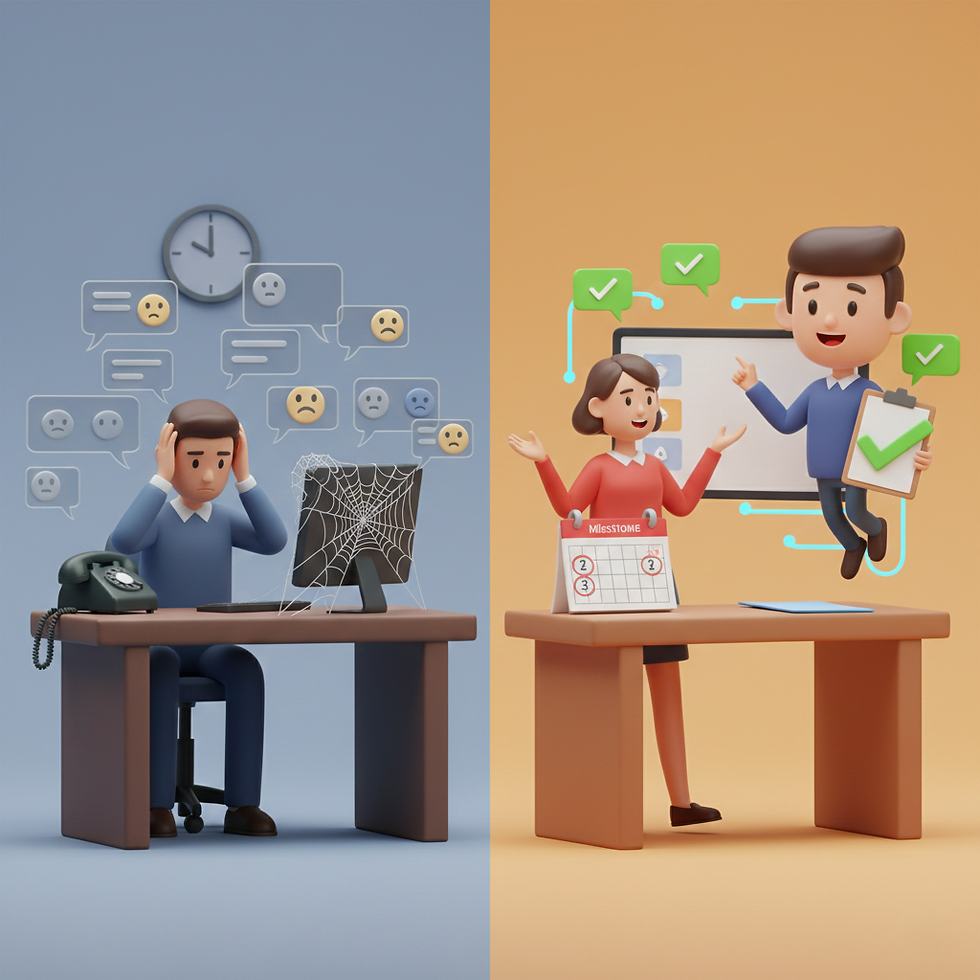
You've found a 3D animation studio with a great portfolio and reasonable pricing. Everything looks perfect on paper. But here's the thing—how they work with you matters just as much as the work itself.
Poor communication kills more 3D animation projects than lack of talent ever will. If you're not aligned on process and collaboration from day one, even the best studio can become a nightmare to work with.
Not Assessing Responsiveness Before Signing a Contract
Pay attention to how a studio communicates before you sign anything. Are they quick to reply? Do they answer your questions clearly? Or do emails sit for days with no response?
If a 3D animation studio is slow and vague during the sales process, imagine how they'll be once they have your money. The way they treat you as a prospect is usually the best treatment you'll get. It only goes downhill from there if communication isn't a priority.
Before hiring a 3D animation studio, test their responsiveness. Ask detailed questions about their animation production process. See how they handle it. A studio that values communication—like Whizzy Studios—will be clear, prompt, and helpful from the first conversation.
Failing to Establish Clear Communication Channels and Check-In Schedules
Once you start working together, chaos happens fast if there's no structure. Emails get lost. Feedback goes missing. Nobody knows who's responsible for what.
Before your 3D animation project kicks off, establish:
A primary communication channel (email, Slack, project management tool)
A regular check-in schedule (weekly calls, milestone reviews)
Clear points of contact on both sides
Expected response times for feedback and approvals
This structure keeps your 3D animation project on track and ensures nothing falls through the cracks. Whether you're creating a 3D cartoon series, a children's TV series, or a quick 3D product design video, clear communication is non-negotiable.
Working with Studios That Disappear Between Milestones
This one's frustrating. You sign the contract, pay the deposit, and then... silence. Weeks go by. You have no idea what's happening. When you finally get an update, the work isn't what you expected—and now you're behind schedule.
A reliable 3D animation studio keeps you in the loop throughout the entire animation production process. They share progress updates, preview drafts, and flag issues early. You should never feel like you're chasing them for information.
If a studio only shows up at milestones and disappears in between, that's a major red flag. You deserve a partner who's present and proactive—especially for complex projects like 3D character rigging, 3D animation music videos, or kids TV shows.
Underestimating the Importance of a Dedicated Project Manager
Some clients assume they'll work directly with animators. But without a dedicated project manager, things get messy fast. Miscommunication happens. Priorities shift. Details slip.
A good project manager acts as your single point of contact. They translate your feedback to the creative team, keep timelines on track, and make sure your animation brief is followed at every step.
When choosing the right 3D animation studio, ask who'll be managing your project. Will you have someone dedicated to your account? Or will you be passed around between different people?
If you want even more control, consider the option to hire a dedicated artist. You'll work directly with someone who knows your brand, your preferences, and your goals—without the communication gaps.
Ignoring How the Studio Handles Feedback and Collaboration
Every 3D animation project involves feedback. You'll review drafts. You'll request changes. You'll refine the work until it matches your vision.
But how does the studio handle that feedback? Do they welcome collaboration—or get defensive? Do they implement revisions quickly—or drag their feet? Do they ask clarifying questions—or guess and get it wrong?
Before signing on, ask about their animation feedback and revisions process:
How many revision rounds are included?
What's the turnaround time for changes?
How do they prefer to receive feedback?
What happens if revisions go beyond the agreed scope?
Studios that handle feedback well make the entire experience smoother. Whether you're working on 3D character design, 2D animation, 2D book illustrations, or a detailed storyboard, collaboration should feel easy—not exhausting.
How to Get This Right
Before you commit to any 3D animation studio:
Test their responsiveness during the inquiry stage
Agree on communication channels and schedules upfront
Ask for regular progress updates, not just milestone deliveries
Confirm you'll have a dedicated project manager
Understand their revision and feedback process
Good communication turns a good studio into a great partner. If you're looking for a team that values transparency and collaboration, contact Whizzy Studios and experience the difference firsthand.
Mistake #5: Skipping Contracts, Ownership Rights, and Revision Terms

You've found a 3D animation studio you like. The vibe is good. The portfolio looks great. You're excited to get started. So you shake hands (or exchange a few emails) and jump straight into production.
Big mistake.
Without a proper contract, you're walking into a minefield. Ownership disputes. Surprise fees. Endless revisions with no resolution. These problems don't happen if things go wrong—they happen when things go wrong. And without legal documentation, you have zero protection.
Not Clarifying Intellectual Property and Ownership Rights
Here's a question most clients forget to ask: Who owns the final animation?
You might assume that because you're paying for the work, you automatically own it. But that's not always how it works. Some studios retain ownership of source files, character designs, or even the final video unless you explicitly negotiate otherwise.
This becomes a serious issue if you're investing in 3D character design, 3D character rigging, or building assets for a 3D cartoon series or children's TV series. You need full ownership rights to reuse, modify, and expand on those assets in the future.
Before hiring a 3D animation studio, get clear answers on:
Who owns the final deliverables?
Who owns the source files and project assets?
Can you modify or repurpose the work later?
Are there any licensing restrictions?
A trustworthy studio—like Whizzy Studios—will be upfront about intellectual property terms and put everything in writing.
Missing Clearly Defined Revision Limits in the Agreement
Revisions are part of every 3D animation project. But without clear limits, they can spiral out of control—and so can your costs.
Some studios offer "unlimited revisions" but bury restrictions in the fine print. Others charge extra after just one round of feedback. If your animation studio contract doesn't spell out revision terms clearly, you're setting yourself up for conflict.
Make sure your agreement defines:
How many revision rounds are included
What counts as a "minor" vs. "major" revision
Turnaround time for implementing changes
Costs for additional revisions beyond the limit
Whether you're working on 3D animation, 3D product design, 2D animation, or 2D book illustrations, knowing your revision terms upfront prevents nasty surprises later.
Vague or Absent Confidentiality and NDA Clauses
What happens to your ideas, scripts, and business information once you share them with a studio?
If there's no confidentiality clause or NDA in place, your concepts could end up anywhere. A studio might showcase your unreleased 3D animation music video in their portfolio before you've even launched. Or worse, sensitive business details could be shared without your consent.
Always ensure your contract includes:
Confidentiality terms protecting your project details
NDA clauses if sensitive information is involved
Clear rules on when and how the studio can showcase your work
This is especially critical for projects like kids TV shows, branded content, or proprietary product launches where timing and secrecy matter.
Unclear Delivery Expectations, File Formats, and Milestone Definitions
Another common gap: not defining what you'll actually receive and when.
Vague delivery terms lead to frustration. You might expect source files but only receive a compressed video. You might assume weekly milestones but get radio silence for a month. You might need specific formats for web, social, and broadcast—but receive just one unusable file.
Your contract should clearly outline:
Final deliverables (video files, source files, assets)
File formats and resolutions for each use case
Project milestones with specific dates
Approval process at each stage
A solid animation project timeline with defined milestones keeps your storyboard, production, and final delivery on track.
The Danger of Handshake Deals Without Legal Documentation
"We've worked with them before." "They seem trustworthy." "We'll figure out the details later."
Famous last words.
Handshake deals feel friendly—until something goes wrong. Without a written contract, you have no way to enforce agreements, resolve disputes, or protect your investment. And when 3D animation cost runs into thousands of dollars, that's a lot to risk on good faith alone.
Even if you're working with a small studio or choosing to hire a dedicated artist, always get the terms in writing. A professional 3D animation studio will expect this—and respect you more for insisting on it.
How to Get This Right
Before signing with any 3D animation studio, ensure your contract covers:
Full ownership rights for deliverables and source files
Clear revision limits and costs for extras
Confidentiality and NDA clauses
Detailed delivery expectations with formats and deadlines
Defined milestones and approval process
Don't leave anything to assumption. Protect your project and your investment.
Need a studio that values transparency and clear agreements? Contact Whizzy Studios and let's discuss how to hire a 3D animation studio the right way—with everything documented from the start.
Mistake #6: Having Unrealistic Timelines and Mismanaging the Revision Process
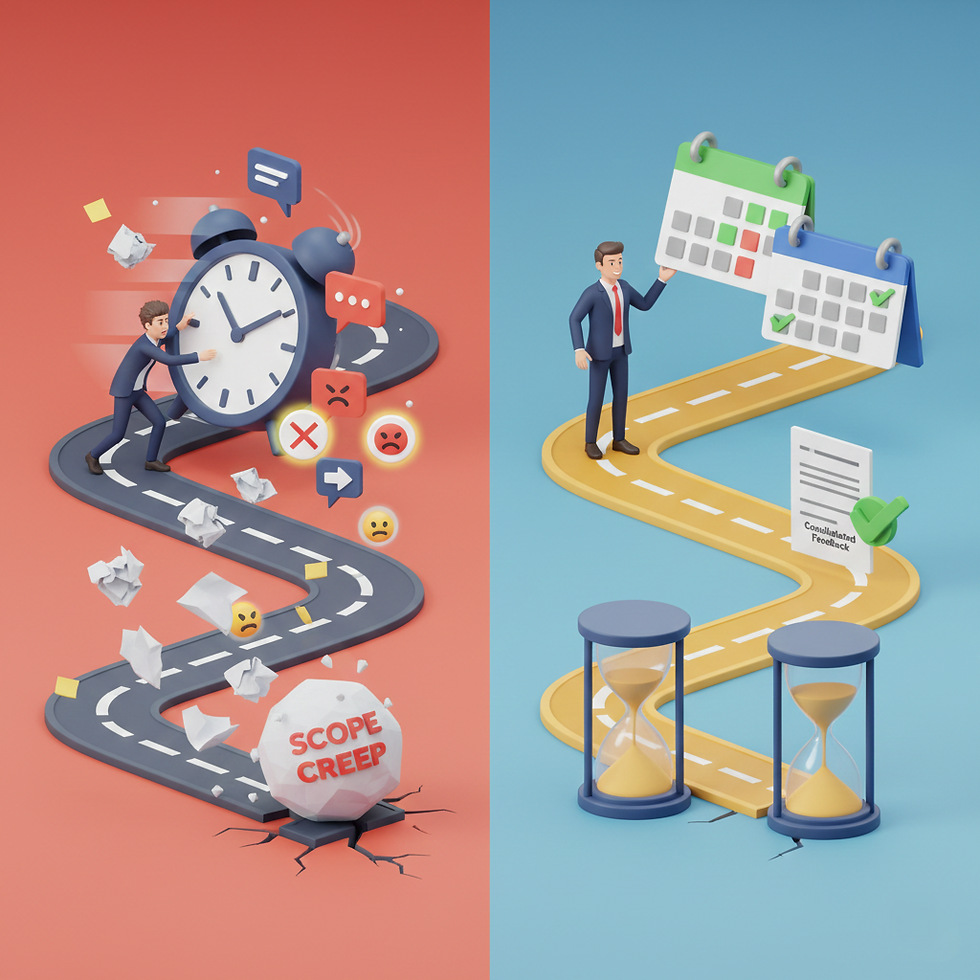
Here's a harsh truth: great 3D animation takes time. There's no shortcut. No magic button. No way to rush quality without sacrificing something important.
Yet many clients walk into a 3D animation project expecting Hollywood-level results in a couple of weeks—on a tight budget. When reality hits, frustration follows. Deadlines slip. Budgets blow up. And the finger-pointing begins.
The good news? This is entirely avoidable—if you understand how the process actually works.
Not Understanding How Long Quality 3D Animation Actually Takes
Let's set realistic expectations. A polished 3D animation isn't created overnight. It involves multiple stages—concept development, scripting, storyboard creation, 3D character design, 3D character rigging, animation, rendering, sound design, and revisions.
Each stage takes time. Rushing any of them compromises the final result.
For example:
A 60-second explainer video might take 4–6 weeks
A 3D product design showcase could need 3–5 weeks
A full 3D cartoon series or children's TV series requires months of production
A detailed 3D animation music video depends heavily on complexity and length
Before hiring a 3D animation studio, ask about their typical animation project timeline for projects similar to yours. If their estimate seems too fast, question it. Quality 3D animation services don't come from cutting corners on time.
Demanding Rush Delivery Without Budget Adjustments
Need it fast? Be ready to pay for it.
Rush timelines require studios to reshuffle priorities, work overtime, and pull in extra resources. That costs money. Expecting a 3D animation studio to deliver faster without adjusting the budget is unrealistic—and often leads to subpar results.
If your deadline is tight, be upfront about it from the start. A professional studio—like Whizzy Studios—will tell you what's achievable and what it'll cost. Trying to squeeze a six-week project into two weeks without paying rush fees? That's a recipe for disappointment.
Failing to Consolidate Stakeholder Feedback Before Sending Revisions
This one causes more delays than clients realize.
You receive a draft. You send feedback. Then your colleague sends different feedback. Then your manager contradicts both. The studio implements everything—only for someone else to request the opposite changes.
Sound familiar?
Before sending animation feedback and revisions, consolidate input from all stakeholders. Agree internally on what needs to change. Then send one clear, unified set of notes. This keeps your 3D animation project moving forward instead of spinning in circles.
Providing Vague Feedback Like "Make It More Dynamic" Without Specifics
Studios aren't mind readers. Vague feedback leads to guesswork—and guesswork leads to wasted revisions.
"Make it pop more." "It needs more energy." "Can it feel more premium?"
These notes sound meaningful, but they're impossible to act on. What does "pop" mean to you? More color? Faster movement? Different music?
When reviewing your 3D animation, 2D animation, or 2D book illustrations, be specific:
"Speed up the transition at 0:15"
"Make the character's expression more surprised"
"Change the background color to match our brand blue (#0047AB)"
Specific feedback gets implemented correctly the first time—saving everyone time and frustration.
Approving Early Stages Then Requesting Drastic Changes Late in Production
This is one of the most expensive mistakes you can make.
You approve the storyboard. You sign off on the 3D character design. Production moves forward. Then, when animation is nearly complete, you suddenly want to change the entire concept.
At that point, the studio has already invested dozens (or hundreds) of hours. Going back means redoing everything—at significant extra cost and timeline delays.
The animation production process exists for a reason. Each stage builds on the previous one. If you approve a stage, you're committing to that direction. Review thoroughly before signing off—not after.
Scope Creep and How It Derails Projects
Scope creep is the silent killer of animation project timelines and budgets.
It starts innocently. "Can we add one more scene?" "What if the character had a different outfit?" "Let's include a second version for social media."
Each small addition piles up. Before you know it, your simple 3D product design video has ballooned into a complex multi-format campaign—with no adjustment to budget or timeline.
A clear animation brief helps prevent this. Define your scope upfront and stick to it. If new ideas come up mid-project, discuss them openly with your studio—including the impact on cost and delivery.
If you want more flexibility and control, consider the option to hire a dedicated artist. A dedicated resource can adapt to evolving needs more easily than a fixed-scope project contract.
How to Get This Right
To keep your 3D animation project on track:
Understand realistic timelines for quality work
Budget appropriately for rush requests
Consolidate all feedback before sending revisions
Give specific, actionable notes—not vague impressions
Review and approve each stage carefully before moving forward
Define your scope clearly and manage additions proactively
Need a studio that guides you through the process smoothly? Contact Whizzy Studios and experience a 3D animation studio that values your time as much as you do.
Mistake #7: Ignoring Red Flags, Reviews, and Long-Term Fit

You've done your research. The 3D animation studio looks good. Their website is polished. Their portfolio is impressive. Everything seems perfect.
But here's the thing—what you see on the surface doesn't always tell the full story. Ignoring warning signs, skipping due diligence, and failing to think long-term can land you with a partner who wastes your time, money, and trust.
Before you commit, dig deeper.
Relying Only on the Studio's Website Testimonials
Every studio showcases glowing testimonials on their website. That's marketing 101. But those cherry-picked quotes only tell one side of the story.
Of course they're not going to feature negative feedback. Of course every client sounds thrilled. That doesn't mean those testimonials are fake—but it doesn't give you the complete picture either.
When choosing the right 3D animation studio, don't stop at their website. Look for external validation. Studios with genuinely happy clients—like Whizzy Studios—will have positive footprints beyond their own pages.
Skipping Third-Party Review Platforms and Direct Client References
Third-party platforms are your friend. Check Google reviews, Clutch, Trustpilot, or industry-specific directories. These unfiltered reviews reveal patterns—both good and bad.
Even better? Ask for direct client references. A confident 3D animation studio will happily connect you with past clients who can share their honest experience. If a studio hesitates or makes excuses, consider that a red flag.
Before hiring a 3D animation studio, ask:
Can you share references from similar projects?
Do you have reviews on third-party platforms?
Can I speak directly with a past client?
This extra step could save you from a costly mistake down the road.
Warning Signs of Potential Scams or Unreliable Studios
Unfortunately, not every studio operates honestly. Some overpromise and underdeliver. Others disappear after taking your deposit. A few are outright scams.
Watch out for these red flags:
No verifiable business information or address
Prices that seem way too good to be true
Portfolios that look inconsistent or too polished for a small team
Pressure to pay large amounts upfront with no milestone structure
Poor communication or evasive answers to simple questions
No contract or reluctance to discuss ownership rights and revision terms
If something feels off, trust your gut. A legitimate 3D animation studio offering 3D animation, 3D character design, or 3D product design will be transparent, professional, and happy to answer your questions.
Portfolios with Stolen or Unverifiable Work
This happens more often than you'd think. Some studios display work that isn't theirs—samples from freelancers, outsourced projects, or even stolen content from other creators.
Before trusting a 3D animation portfolio, verify it:
Reverse image search key frames to check originality
Ask who specifically worked on each project
Confirm if those team members are still with the studio
Request case studies with context, not just flashy visuals
Whether you're reviewing work for a 3D cartoon series, children's TV series, 3D animation music video, or kids TV show, make sure what you're seeing is genuinely theirs.
Treating the Relationship as a One-Off Transaction Instead of a Long-Term Partnership
Here's a mindset shift that saves money and headaches: think partnership, not transaction.
Many clients approach 3D animation services as a one-time purchase. Get the video, pay the invoice, move on. But if you'll need animation again in the future—for marketing campaigns, product launches, content series, or brand storytelling—building a long-term relationship makes far more sense.
A studio that knows your brand delivers better work, faster. They understand your style, your audience, and your goals. You skip the learning curve every time. And often, ongoing partnerships come with better rates.
If you're planning multiple projects—like a 3D cartoon series, regular 2D animation content, or ongoing 2D book illustrations—think about long-term fit from the start.
Missing Opportunities for Brand Consistency and Cost Savings Through Ongoing Collaboration
When you work with the same 3D animation studio over time, you build a library of assets—characters, environments, templates, style guides. These assets can be reused and adapted, cutting costs on future projects.
Plus, brand consistency improves. Your 3D character design, 3D character rigging, and visual style stay cohesive across every piece of content. Your audience recognizes your brand instantly.
If you want this kind of seamless collaboration, consider the option to hire a dedicated artist. A dedicated resource becomes an extension of your team—deeply familiar with your brand and always ready to deliver.
How to Get This Right
Before committing to any 3D animation studio:
Look beyond website testimonials to third-party reviews
Ask for direct references from past clients
Watch for red flags and trust your instincts
Verify that portfolio work is genuinely theirs
Think long-term partnership, not one-off transaction
Leverage ongoing collaboration for brand consistency and savings
Ready to find a 3D animation studio that's built for lasting partnerships? Contact Whizzy Studios and let's explore how we can grow together.
Conclusion
Hiring a 3D animation studio is a big decision. The right choice elevates your brand, engages your audience, and delivers real results. The wrong choice drains your budget, wastes your time, and leaves you with a product that misses the mark.
Now you know what to watch out for.
Recap of the Seven Critical Mistakes to Avoid
Let's quickly revisit the traps that catch most clients off guard:
Mistake #1: Failing to define clear project goals and a proper animation brief—leaving the studio guessing instead of executing your vision.
Mistake #2: Choosing a 3D animation studio based on price alone—and paying the real cost later through poor quality and endless revisions.
Mistake #3: Not reviewing the 3D animation portfolio and specialization properly—assuming all studios offer the same expertise when they don't.
Mistake #4: Overlooking communication, process, and collaboration style—then struggling with a studio that disappears between milestones.
Mistake #5: Skipping contracts, ownership rights, and revision terms—leaving yourself unprotected when things go sideways.
Mistake #6: Having unrealistic timelines and mismanaging the revision process—causing scope creep, budget overruns, and frustration on both sides.
Mistake #7: Ignoring red flags, reviews, and long-term fit—missing the chance to build a partnership that grows with your brand.
Avoid these mistakes, and you're already ahead of most clients walking into their first 3D animation project.
How to Approach Your Next 3D Animation Project with Confidence
Now that you understand what to look for in a 3D animation studio, you can approach your next project with clarity and confidence.
Start with a detailed animation brief. Define your goals, audience, and key messages. Set a realistic budget and timeline. Review portfolios carefully—looking for studios that specialize in what you need, whether that's 3D animation, 3D character design, 3D product design, 3D character rigging, or even 2D animation and 2D book illustrations.
Ask the right questions. Test their communication. Get everything in writing. Think long-term, not just about this one project.
When you do all this, choosing the right 3D animation studio becomes much easier—and much less risky.
Why the Right Studio Partnership Is an Investment, Not an Expense
Here's the mindset shift that separates successful projects from failed ones: 3D animation services aren't a cost to minimize. They're an investment to maximize.
The right studio doesn't just deliver a video. They help you tell your story. They make your product shine. They create content that drives engagement, builds trust, and delivers ROI—whether it's a 3D cartoon series, a children's TV series, a 3D animation music video, or a kids TV show.
When you invest in quality, you get results that last. When you cut corners, you pay the price—again and again.
Ready to Get Started the Right Way?
At Whizzy Studios, we've helped countless clients navigate the animation production process without the headaches. From detailed storyboards to stunning final renders, we guide you every step of the way.
Whether you need a one-time project or want to hire a dedicated artist for ongoing collaboration, we're here to make your vision a reality—on time, on budget, and beyond expectations.
No guesswork. No surprises. Just a trusted partnership built on transparency, communication, and quality.
Ready to discuss your next 3D animation project? Contact Whizzy Studios today and let's create something amazing together.


Comments