
The Hidden Details in Kids Animation That Parents Never Notice


You have probably done it before. You sit down next to your child to watch a few minutes of their favorite cartoon, fully expecting to be bored. And then something odd happens. You stop scrolling. The show pulls you in too - not because the story is complex or the dialogue is clever, but because something about it just feels right. It feels calm. It feels warm. It feels safe in a way you cannot quite name.
That feeling is not accidental. Quality kids animation is built layer by layer with intentional decisions most adults never consciously notice - but children respond to instantly. From the color of a character's shirt to the way a scene pauses for a second before moving on, every choice is doing something specific. Parents are usually too busy to catch it. Kids absorb every frame.
The Colors Do More Than Look Pretty
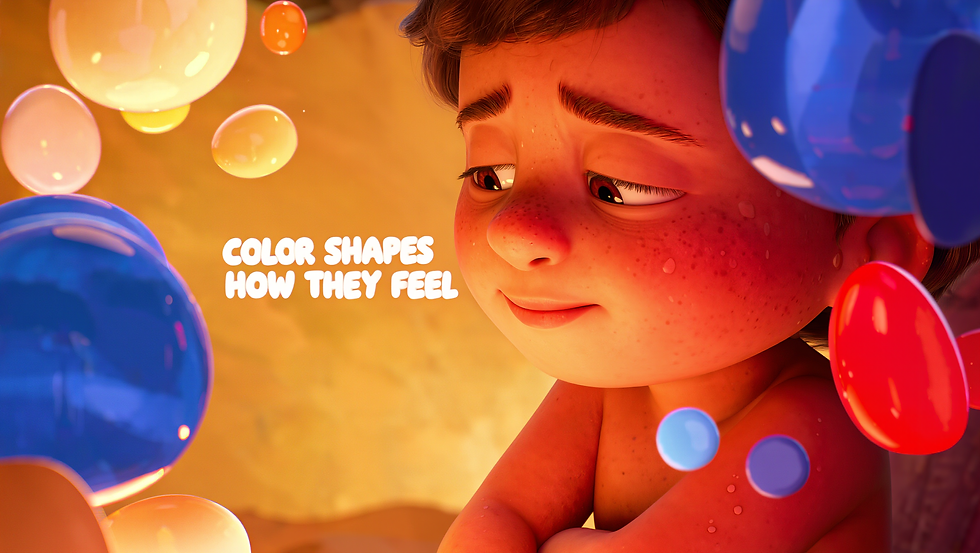
Color in kids animation is one of the most deliberate choices a studio makes - and it has a real effect on how your child feels while watching. Warm yellows and soft oranges signal safety and joy. Deep blues slow things down and bring calm. Bright reds and high contrasts create excitement - and if overused, they create overstimulation that lingers long after the screen goes off.
The best animated content for children uses color palettes that are vibrant enough to hold a young viewer's attention but gentle enough not to exhaust it. Characters are often assigned a dominant color that becomes part of their emotional identity. Over time, children associate that color with the character's warmth and personality - even before they can articulate why.
At Whizzy Studios, every project begins with a deliberate color conversation. When we developed the character world for Bangi Wonderland, the palette was built to feel joyful and inviting without ever crossing into chaotic. Parents watching alongside their children might not register the color logic. But children feel it immediately - and it shapes how safe and welcome they feel in that world from the very first frame.
The Expressions That Teach Kids How to Feel
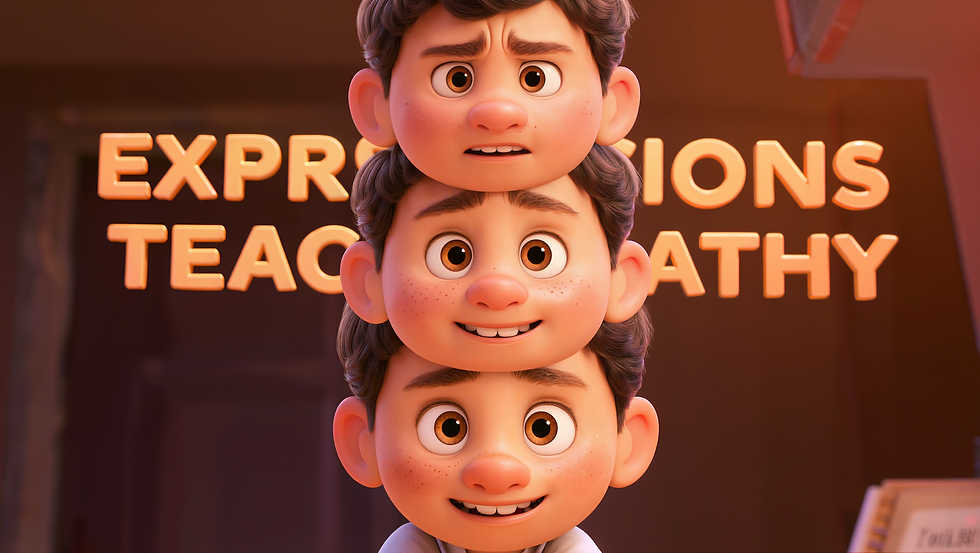
One of the most powerful hidden tools in kids animation is facial expression design. Characters in quality kids content are drawn with exaggerated but clearly readable emotions - wide eyes for wonder, soft brows for sadness, smiles that reach the eyes. These choices are not just aesthetics. They are emotional education happening quietly in the background.
Young children are still learning to identify and name their own feelings. When they watch a character look confused, then work something out, then light up with joy - they are learning emotional sequencing. They are practicing reading faces. They are building empathy, one episode at a time, in a way that feels nothing like learning and everything like fun.
Our team invested enormous care into this with Kid Detectives, our 3D animated series where young characters work through small mysteries together. Every scene was designed so that the characters' faces carried the emotional weight of the story. Children did not just follow the plot - they felt it alongside the characters. That kind of connection does not happen by accident. It is designed, deliberately, frame by frame.
The Pacing Parents Tune Out and Kids Tune Into
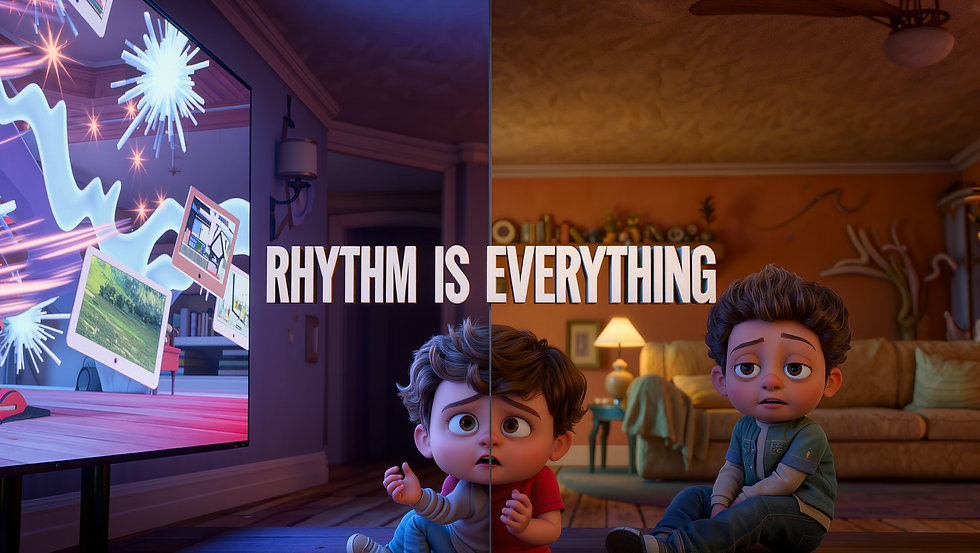
Have you ever noticed that some kids shows leave your child bouncy and unsettled afterward, while others leave them calm and content? Pacing is almost always the reason. Kids animation that is cut too fast - with constant scene changes, flashing transitions, or a sound effect landing every two seconds - overstimulates young nervous systems in ways parents rarely connect back to the screen.
The best kids content has a natural rhythm to it. Scenes breathe. Characters pause. There is genuine space between moments for a child's brain to process what just happened before the next thing arrives. This is not slow or boring - it is purposeful. It is the difference between content that calms and content that winds children up.
At Whizzy Studios, we think about pacing the same way a thoughtful children's book author considers sentence length - it is part of the emotional design, not a technical detail sorted out in editing. Our 2D animated series Bubble and Bird was built entirely around this principle. Parents often describe it as surprisingly calming. That is not a coincidence. That is intentional craft working exactly the way it was designed to.
The World-Building Parents Miss Entirely
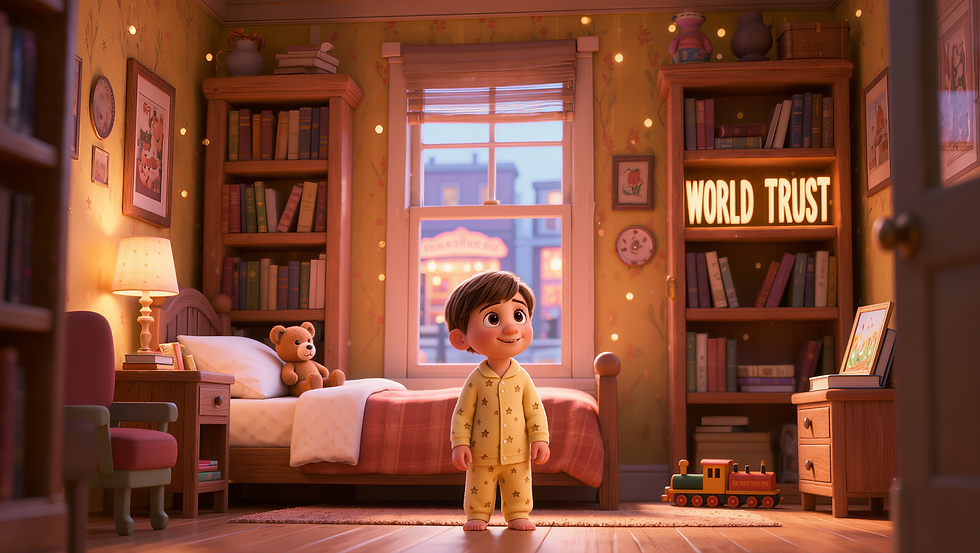
Background details are another layer of kids animation that parents almost never consciously register - but children absolutely do, especially on rewatches. The best animated worlds for young viewers are consistent, warm, and quietly full of small details that reward attention. A character's bedroom has the same books on the shelf in every episode. The neighborhood bakery is always on the same corner.
These details are not just decoration. They create a sense of place that feels real, lived-in, and safe. Children who rewatch the same episodes are often searching for these anchor points. They are exploring the character's world the same way they explore their own home - looking for what is familiar, what is reliable, what can be trusted.
We think of this as world trust - the quiet confidence a child feels that the animated world they are spending time in will always be consistent and warm. It runs through every project we take on at Whizzy Studios. From the layered environments in Adventures in Character to the carefully considered settings in our work on BatDog and Lisa, every background is designed to earn that trust before a single word of dialogue is spoken.
Why This All Matters for Brands and Creators
If you are a brand, a YouTube creator, or a content developer building kids content - these details are not extras. They are the foundation of everything. A character with a readable face, a calm color palette, and a consistent world becomes a companion to young viewers. An overstimulating show with flat characters and jarring cuts becomes background noise that children grow out of quickly.
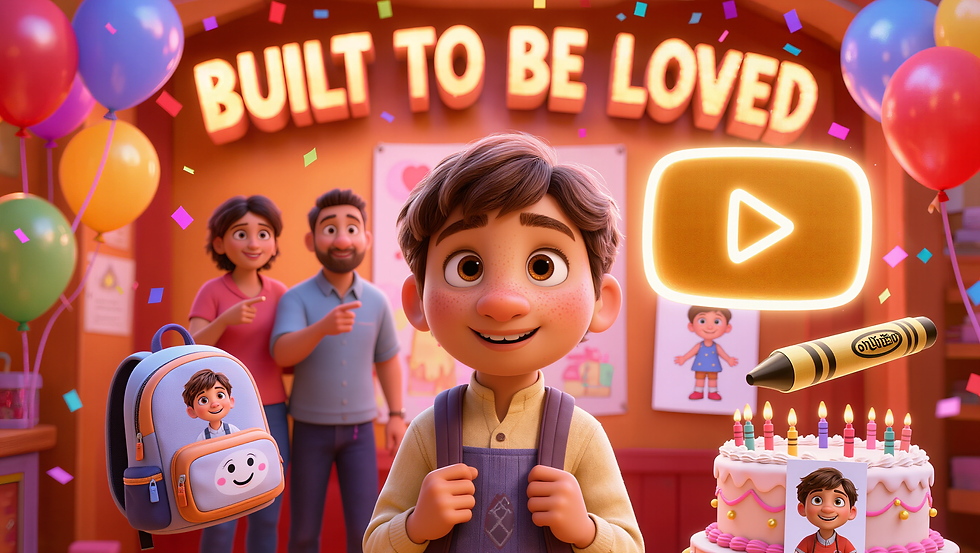
The studios and creators who understand this are the ones building real, lasting audiences. They are the ones whose characters end up on backpacks, in birthday themes, in drawings children bring home from school. They are the ones parents genuinely recommend to other parents - not because they were asked to, but because they trust the content completely. Whether you are planning a 3D animated series or a 2D animation project for a YouTube channel, these decisions shape everything from the very first frame.
The Details That Never Get Credit
Here is the truth about great kids animation: the craft is invisible to most adults. Parents are relieved their child is happily engaged, but they rarely know exactly why it works so well. And in many ways, that invisibility is the highest compliment a studio can receive. The experience feels effortless because so much thought went into making it that way.
At Whizzy Studios, we build kids content that parents trust and children genuinely love - not because we follow a production checklist, but because we care about what young viewers carry with them from every minute of screen time. The details that parents miss are the ones children remember.
If you are building something for young audiences and want a team that takes every frame seriously, we would love to hear about your project. Reach out to us here - and let's start building something children will not forget.


Comments